Service
Renovation & Remodeling
Structural and cosmetic renovation of existing buildings — from single-room refreshes to full floor strip-outs and rebuilds.
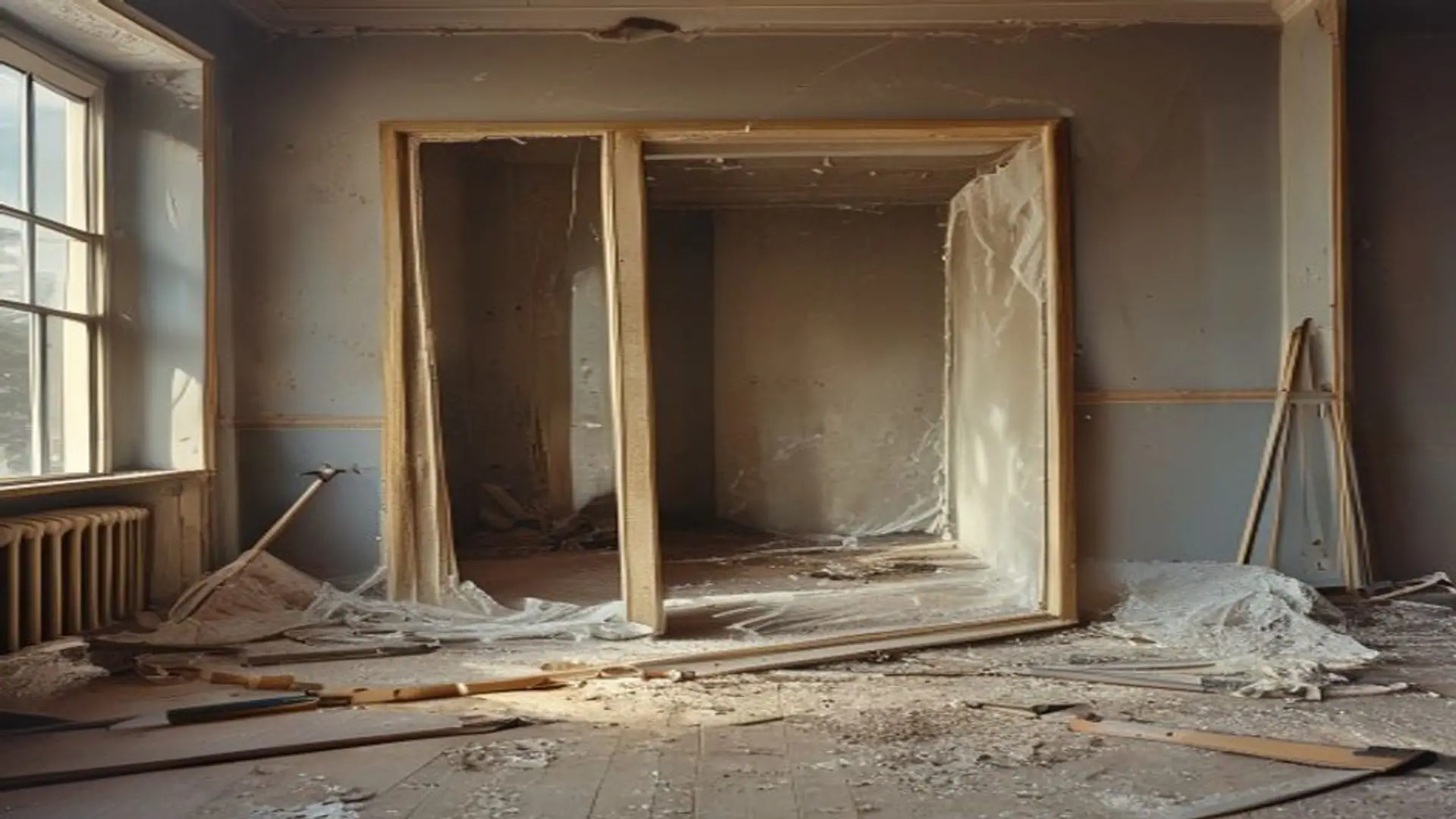
Renovation & Remodeling work being carried out on siteRenovation touches every other discipline. One project might take out partitions, reroute services, replace a ceiling, retile a floor and repaint throughout. Each trade has to arrive in the right order. Get that wrong and the work simply gets done twice, at your expense.
What the work actually involves
We begin with a condition survey of the existing building, because what is behind the wall matters more than what is on it. That survey tells us which walls are load-bearing, where the existing services run, and what is likely to be found once the strip-out starts. Only then do we produce a scope and a programme.
From there the work runs in a deliberate sequence: strip-out, structural alterations, first-fix services, plastering and making good, second-fix services, then finishes. Skipping ahead in that order is the most common cause of rework on a renovation.
Working around occupation
Most of our renovation clients cannot vacate the building. We plan for that from the survey onward — zoning the works, sealing active areas with dust barriers, scheduling noisy activities outside core hours, and keeping critical systems on temporary supplies while permanent ones are replaced.
Where costs usually move
Renovation budgets move for one of two reasons: the client changes the scope, or the building reveals something the survey could not see. We control the first with written variations agreed before work proceeds. We reduce the second by surveying properly rather than pricing off a walkthrough.
- Project types
- Residential · Commercial · Retail · Mixed-use
- Typical duration
- Days to several weeks, scope dependent
- Survey
- Condition survey before scope is issued
- Pricing model
- Fixed written proposal against surveyed scope
- Occupied working
- Supported — phased and out-of-hours
- Trades coordinated
- All 12 in-house disciplines
- Handover
- As-built record and defect contact
What you get
Why this is done properly.
Single point of accountability
One contract covering every trade on the project, so sequencing problems are ours to solve rather than yours to coordinate.
Survey-led scoping
We price what we have surveyed, not what we have assumed, which keeps variations to genuine unforeseeables.
Phased delivery
Programmes built around an occupied building, with zoning and out-of-hours working where the operation requires it.
Written variations
Any change to cost or programme is agreed in writing before it is carried out, never invoiced afterwards.
Trade sequencing in-house
First-fix and second-fix stages are coordinated internally, which removes the gaps where separate contractors wait on each other.
Documented handover
You receive a record of what was installed and where, which makes future maintenance faster and cheaper.
How it runs
From survey to handover.
- 01
Survey
We inspect the existing structure and services and record what is actually there, including what is likely to be hidden.
- 02
Scope & proposal
You receive a written scope, a fixed price against it, and a programme with dates.
- 03
Delivery
Works run in trade sequence with zoning and dust control where the building stays occupied.
- 04
Handover
Final inspection with you, snag resolution, and an as-built record for your files.
Gallery
Representative imagery.
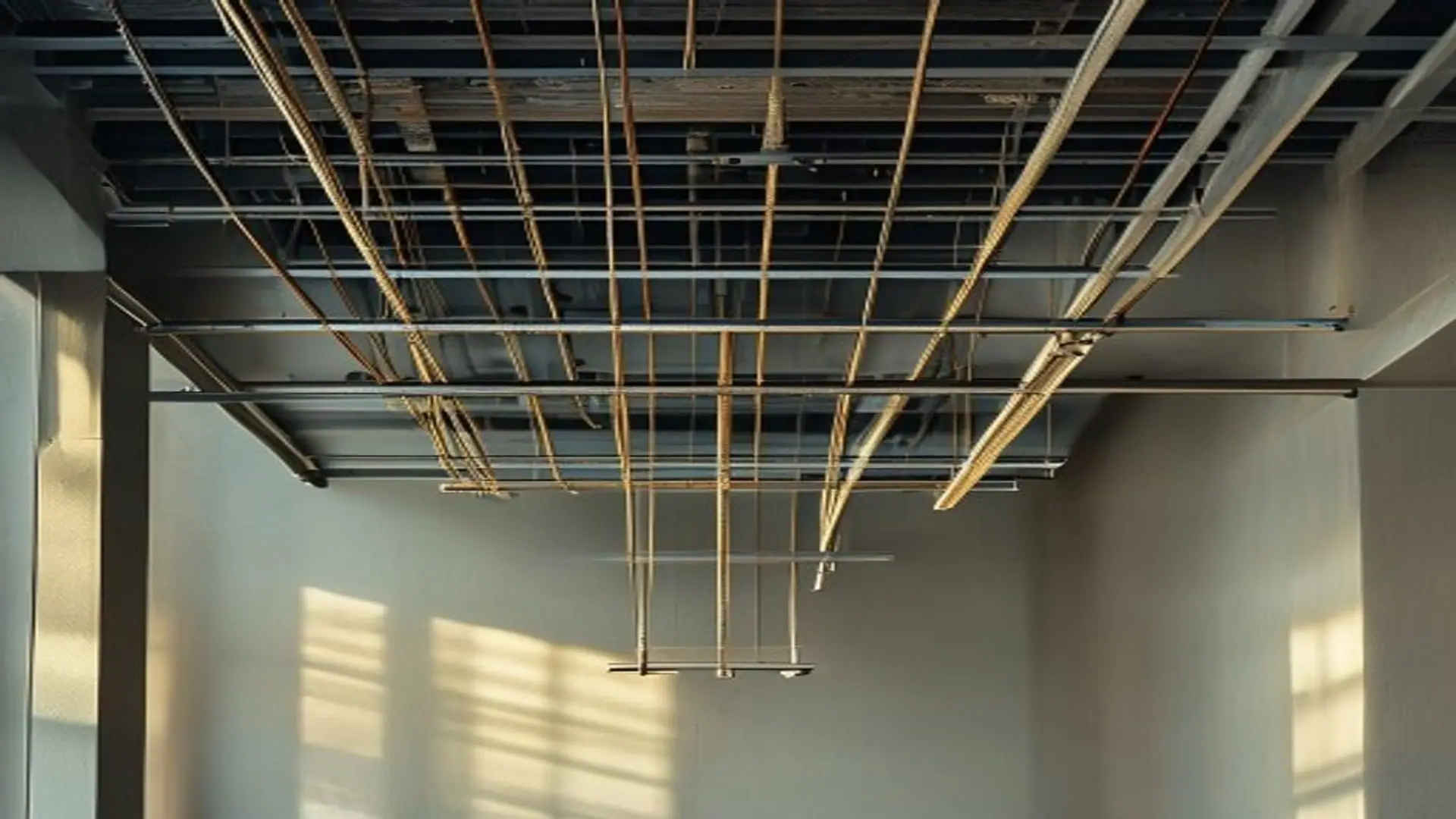
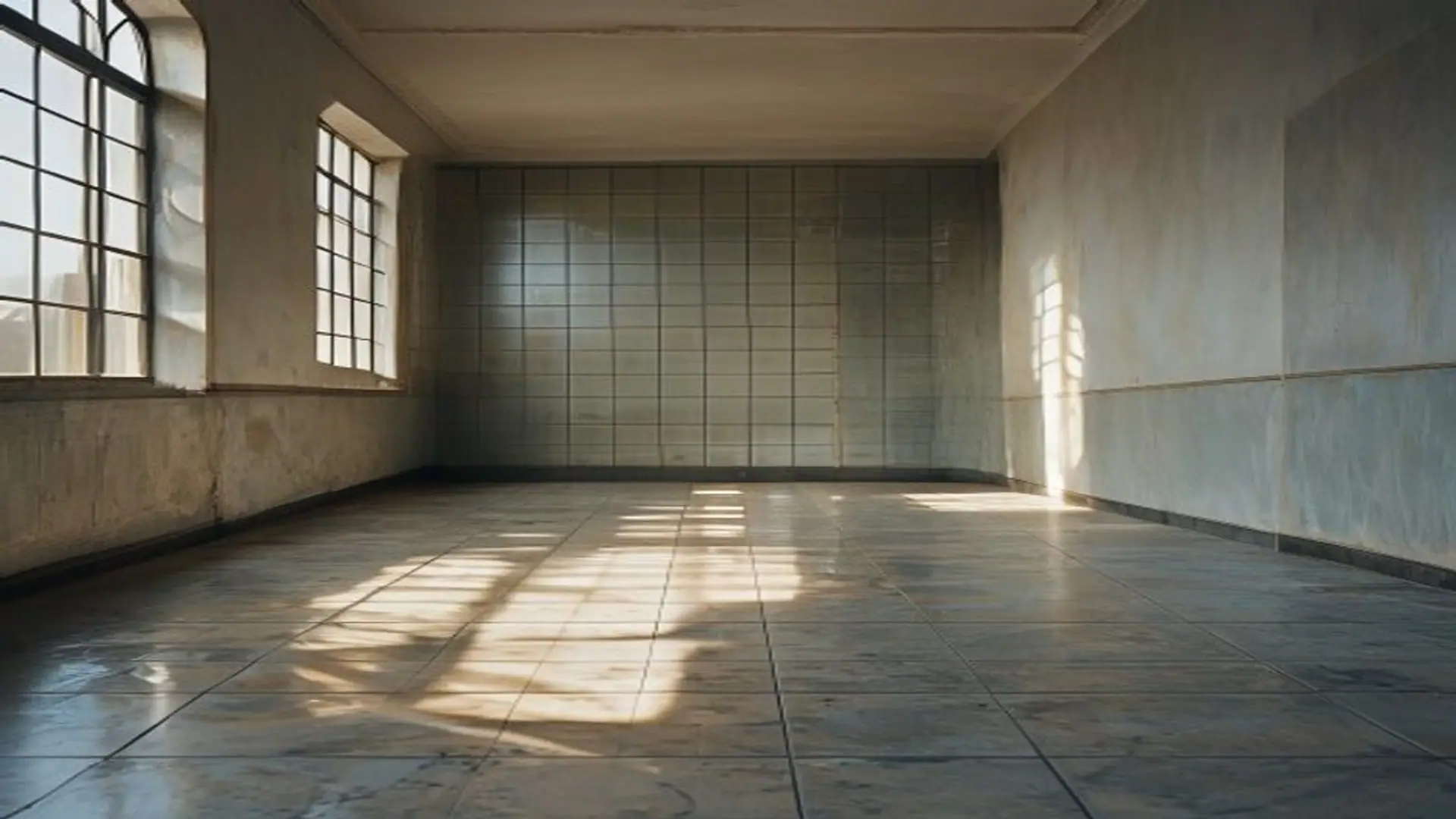
Representative imagery for this discipline — not photographs of specific ICE-Premium jobs.
Questions
About renovation & remodeling
Related
Often delivered alongside.
Ceiling Installation
Suspended grids, plasterboard ceilings and access provision — set level, supported properly and coordinated with services.
Tiling & Flooring
Floor and wall tiling, vinyl, laminate and engineered timber — where the substrate determines the result.
Painting & Finishing
Surface preparation, decorative painting and specialist finishes — where the preparation is most of the work.
Start here
Tell us what you are building. We will survey it properly.
The initial consultation and site survey cost you nothing and carry no obligation. You will get a written scope and a fixed price against it — not an estimate that moves later.