Service
Ceiling Design
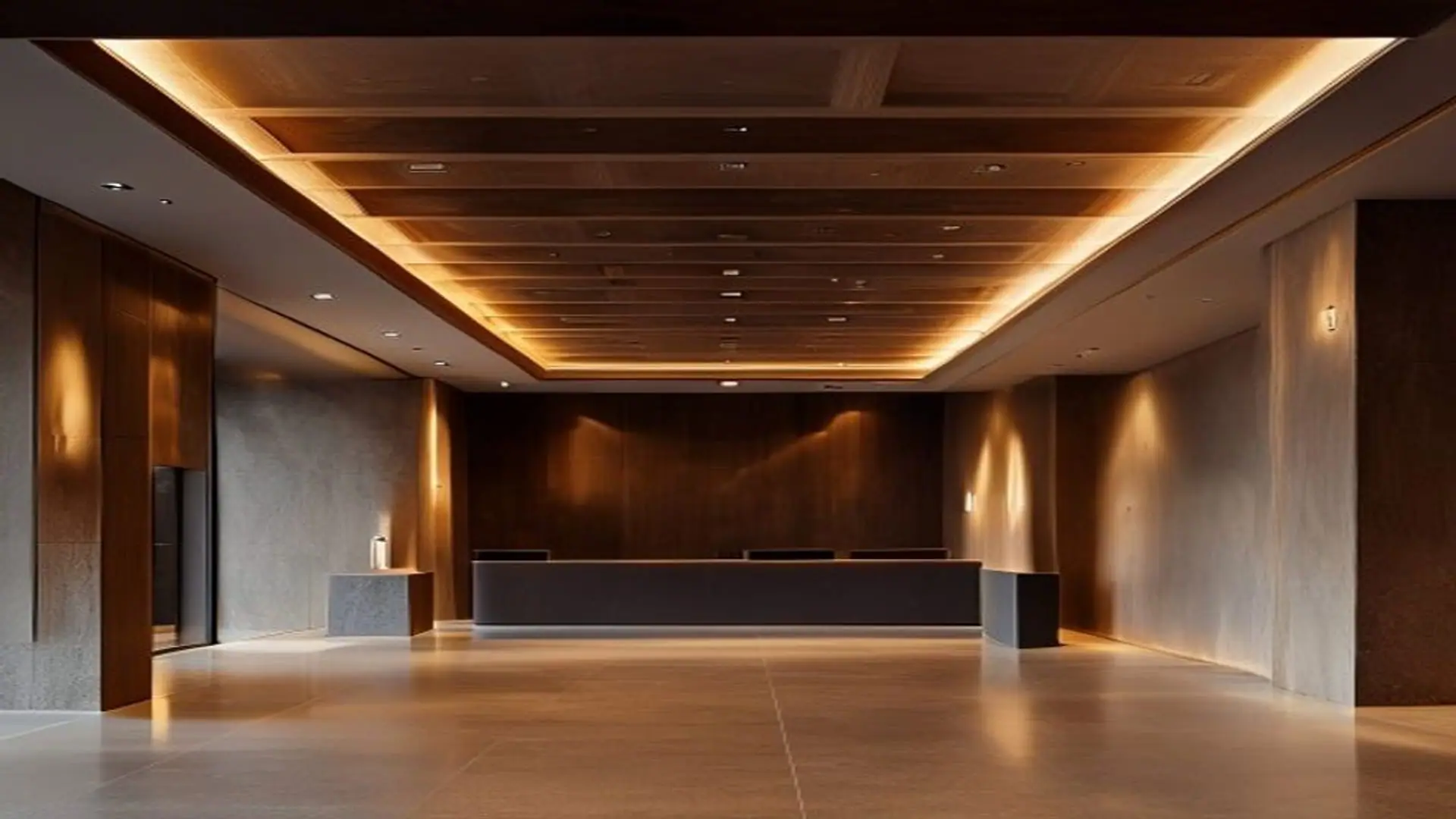
Coffers, bulkheads, floating rafts and integrated lighting — the ceiling treated as a designed surface rather than a lid.
Ceiling Design work being carried out on siteCeiling design is where a room gains or loses its proportion. Dropped perimeters, floating rafts, coffers, integrated lighting: each one changes how high the space feels. Sometimes in the opposite direction to what you would expect. A lower perimeter can make the middle of a room read taller.
Height is perceived, not measured
A common mistake is dropping a full ceiling in a room that cannot afford the height. The better approach in a low room is usually to leave the centre high and drop only the perimeter, or to float a raft below an open ceiling. Both read as taller than a uniform drop at the same finished height.
In a room with generous height, the opposite applies — a coffer or a dropped feature can bring an oversized volume back to a human scale.
Lighting is part of the design
Integrated lighting has to be designed with the ceiling, not added to it. Cove and perimeter lighting needs a shadow gap deep enough to hide the fitting and a surface smooth enough to take grazing light without showing every imperfection. A cove that is too shallow shows the lamp; a surface finished to standard tolerance shows every ripple when lit from the side.
Drawing before building
We set out ceiling designs on a reflected ceiling plan before any framing goes up — coordinating the design with lighting positions, diffusers, sprinkler heads and detectors. Those functional items have to land somewhere, and a design drawn without them ends up with a detector in the middle of a feature panel.
- Treatments
- Coffers · Bulkheads · Floating rafts · Perimeter drops
- Lighting
- Cove · Perimeter · Recessed · Feature
- Documentation
- Reflected ceiling plan before installation
- Low rooms
- Perimeter drops and rafts to preserve perceived height
- High rooms
- Coffers and features to bring scale down
- Finish
- Higher tolerance where grazing light applies
What you get
Why this is done properly.
Proportion-led design
Treatments chosen for how they make the room feel, not applied uniformly regardless of available height.
Reflected ceiling plans
Designs set out on drawing first, coordinating features with lighting, diffusers and detectors.
Lighting integrated, not added
Coves and shadow gaps detailed deep enough to conceal fittings and deliver even light.
Buildable detailing
Designs developed with the installation in mind, so what is drawn is what actually gets built.
How it runs
From survey to handover.
- 01
Design consultation
We assess the room's proportions and how the ceiling should respond to them.
- 02
Reflected ceiling plan
The design is drawn and coordinated with all lighting and functional ceiling items.
- 03
Construction
Framing and boarding built to the drawing, with lighting details formed as designed.
Gallery
Representative imagery.
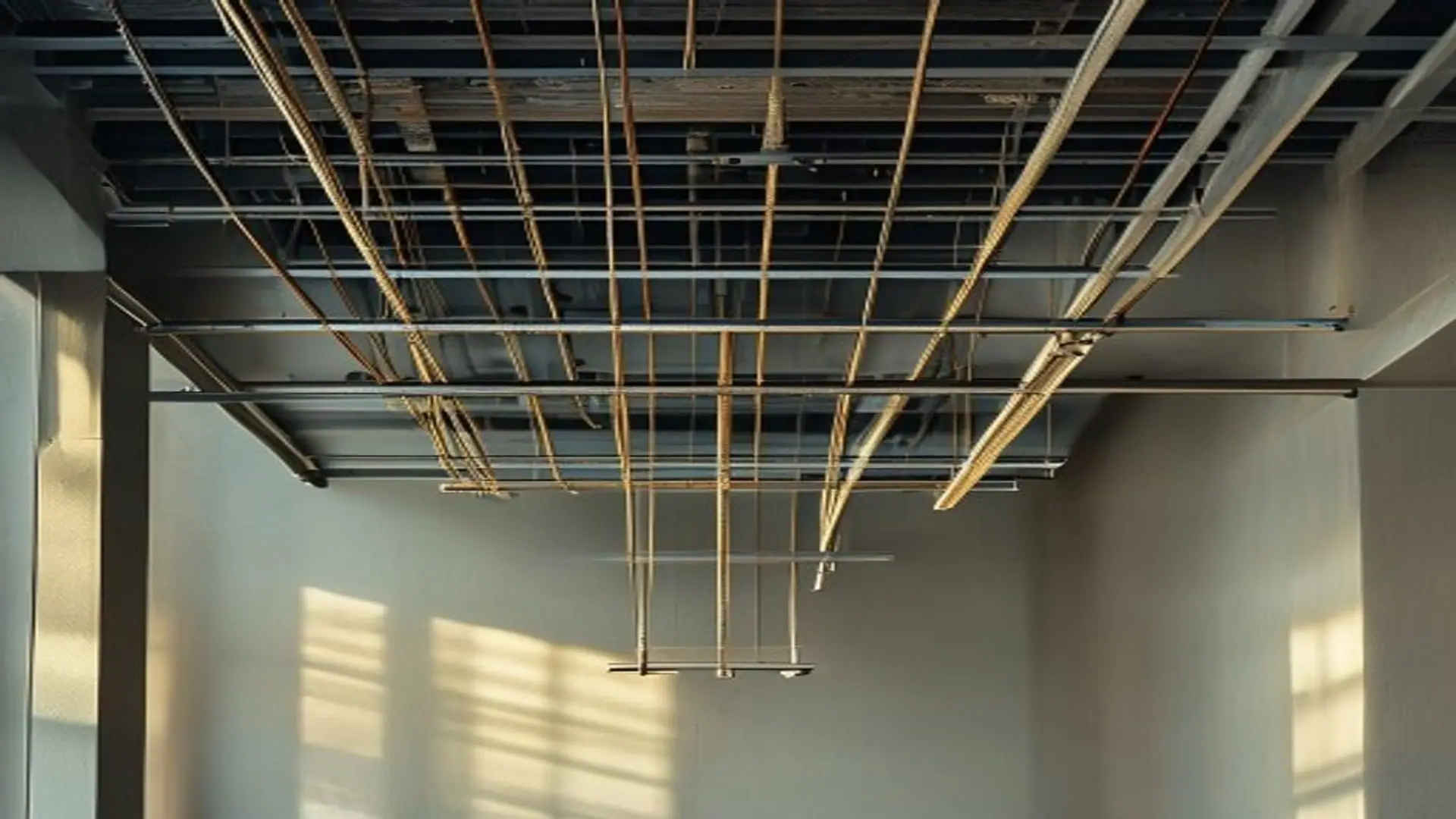
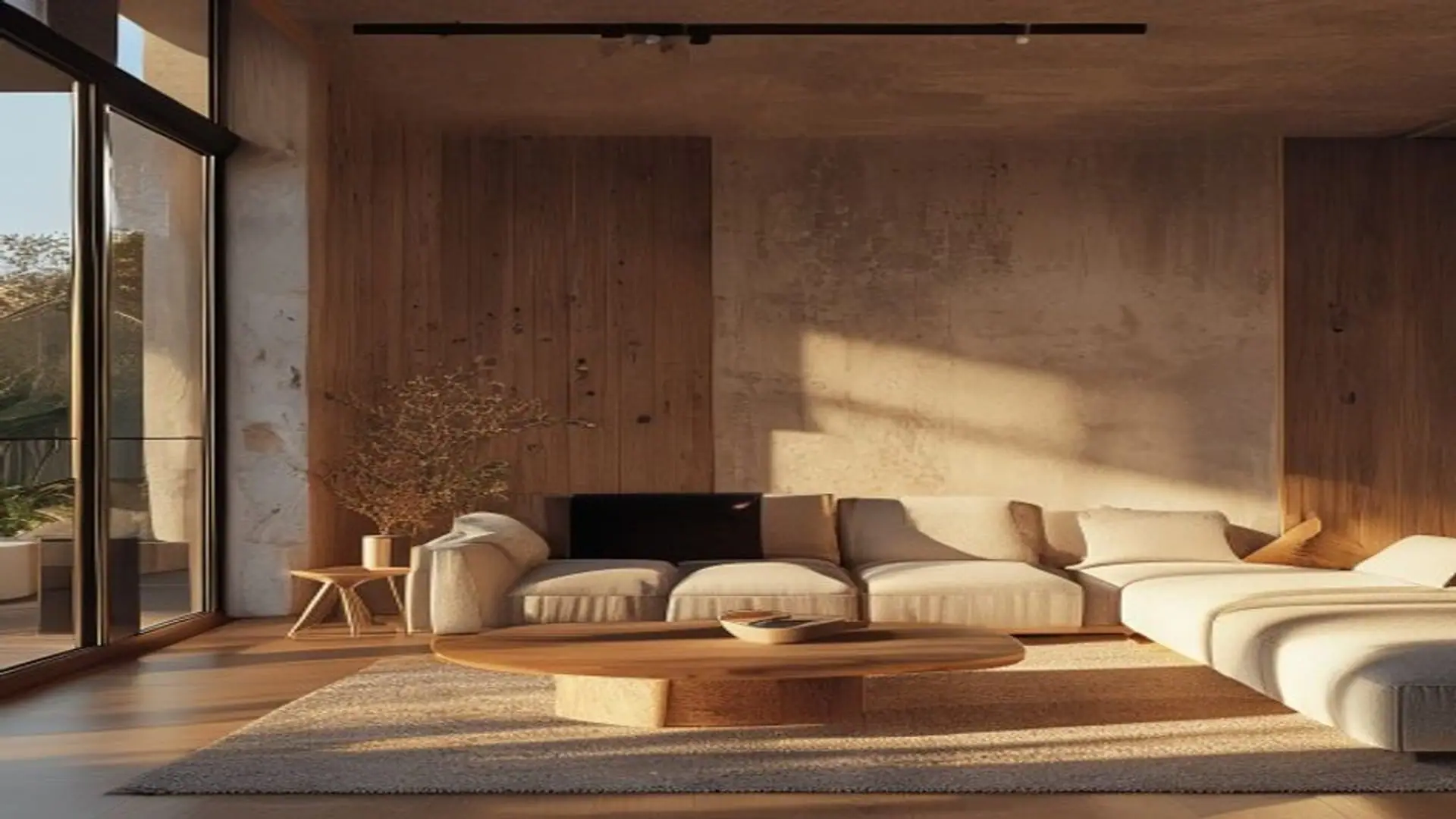
Representative imagery for this discipline — not photographs of specific ICE-Premium jobs.
Questions
About ceiling design
Related
Often delivered alongside.
Ceiling Installation
Suspended grids, plasterboard ceilings and access provision — set level, supported properly and coordinated with services.
Interior Design
Spatial planning, material selection and lighting design — with the team that will actually build it.
Electrical Installations
New installations, rewires, consumer unit upgrades and circuit testing — designed, installed and certified.
Start here
Tell us what you are building. We will survey it properly.
The initial consultation and site survey cost you nothing and carry no obligation. You will get a written scope and a fixed price against it — not an estimate that moves later.