Roofing · 4 November 2025 · 2 min read
Why your roof keeps leaking after it has been repaired three times
Most roof leaks are not where the water appears. Patching the stain treats the symptom and the leak returns next season.
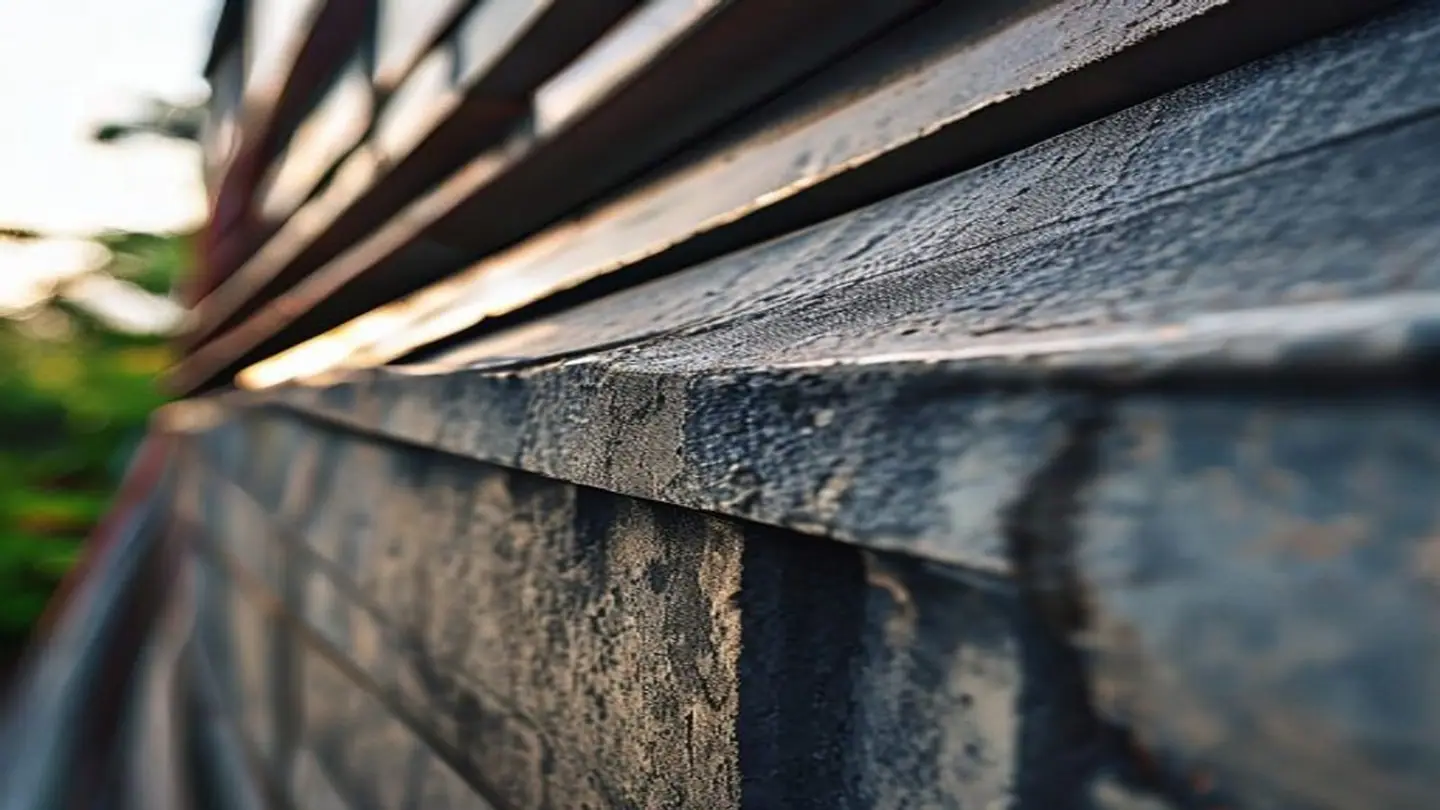
If a roof has been patched three times and still lets water in, the patches were not the problem. The diagnosis was.
Water travels before it appears
Water entering a roof rarely drops straight down. It runs along the underside of a sheet, tracks down a purlin, follows a joist, and emerges through the ceiling at whatever point gravity and capillary action finally release it. That point can be several metres from where it got in.
This is why patching where the ceiling stain appears so often fails. The stain marks the exit, not the entrance.
Junctions fail more often than coverings
In our experience the majority of persistent leaks originate at a junction rather than in the field of the roof covering:
- Parapet upstands, where the covering meets a raised wall and the flashing has no proper upstand behind it
- Abutments, where a lower roof meets a higher wall
- Penetrations — vents, pipes, fixings — where the seal has degraded
- Rainwater goods, where an undersized or blocked gutter overflows behind the fascia
A sheet or a tile in open field is doing a simple job and generally does it well. A junction is where two systems meet, and that is where detailing fails.
What proper diagnosis looks like
Before pricing a repair, the entry point needs establishing. That means inspecting the junctions rather than the field, checking the rainwater goods under load, and where necessary testing sections of the roof under controlled water to isolate the source.
It is slower than climbing up with a tube of sealant. It is also the difference between a repair and another patch.
The cost of getting it wrong
Re-covering a roof that leaks at the parapet produces a new roof that leaks at the parapet. The client pays for a full covering replacement and still has water coming in — and now believes the new covering is defective.
That outcome is avoidable, and it is avoided at diagnosis stage.
What to ask a contractor
If someone is quoting to fix a recurring leak, ask them where the water is entering and how they established it. If the answer describes the location of the internal damp rather than an inspected entry point on the roof, the repair is likely to be another patch.