Process · 18 November 2025 · 2 min read
What a condition survey actually finds — and why we will not price without one
The difference between a walkthrough estimate and a surveyed price, and why the second one holds when work starts.
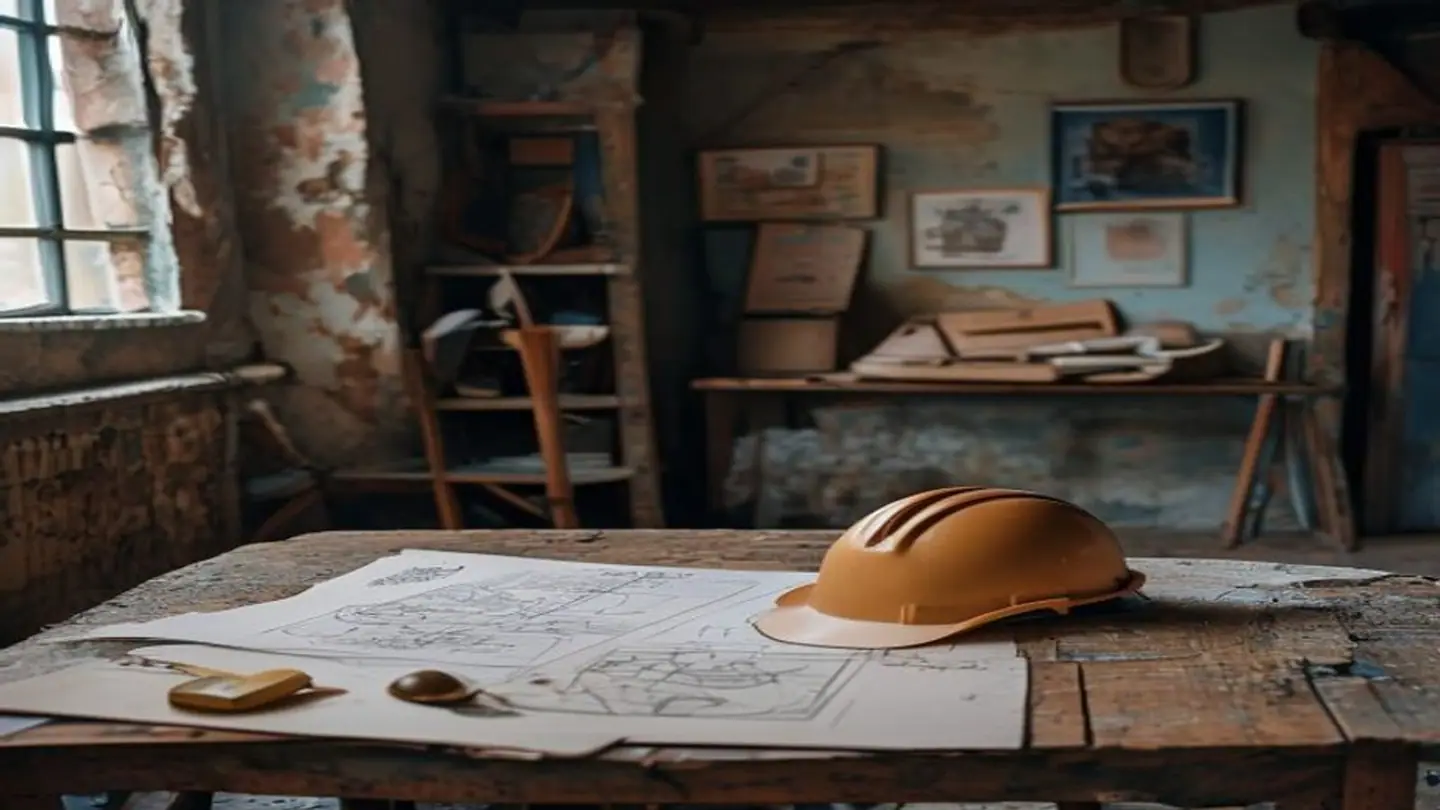
Clients occasionally ask why we survey before quoting when another contractor was willing to price from a twenty-minute walkthrough. The honest answer is that the walkthrough price is not really a price. It is an estimate that will move once work starts.
What a walkthrough can see
Standing in a room, you can see finishes, approximate dimensions, and obvious defects. That is genuinely useful, and it is enough to establish whether a project is viable in principle.
What it cannot tell you is what is behind, above and below those finishes — which is where the cost lives on a renovation.
What a survey adds
A condition survey records the things that determine scope:
- Which walls are load-bearing, which changes the entire approach to any removal
- Where existing services run, so first-fix routing can be planned rather than discovered
- The condition of concealed structure — joists, purlins, lintels — where accessible
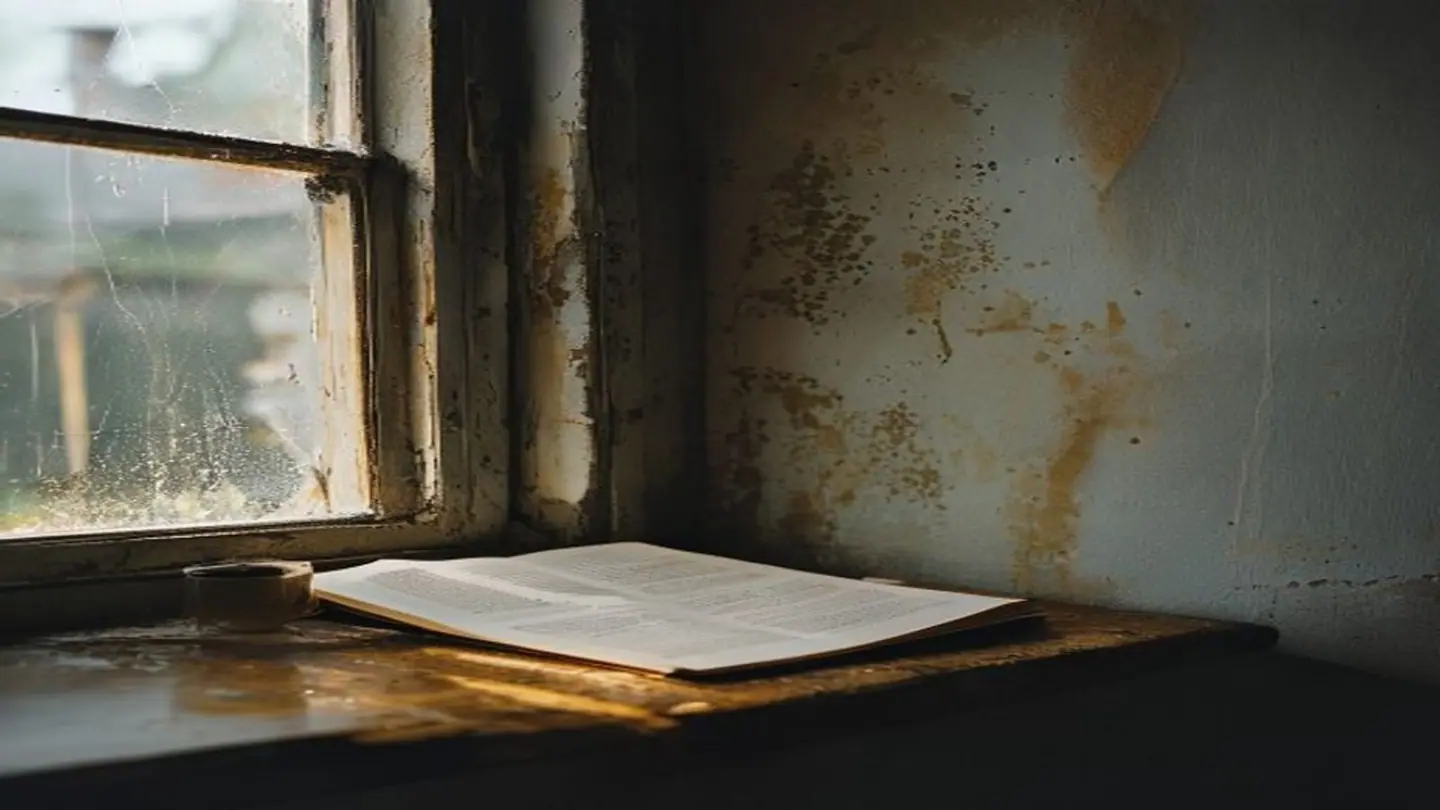
- Moisture readings in floors and walls, which determine whether barriers and tanking are needed
- What existing coatings are present, which determines whether new finishes will bond or flake
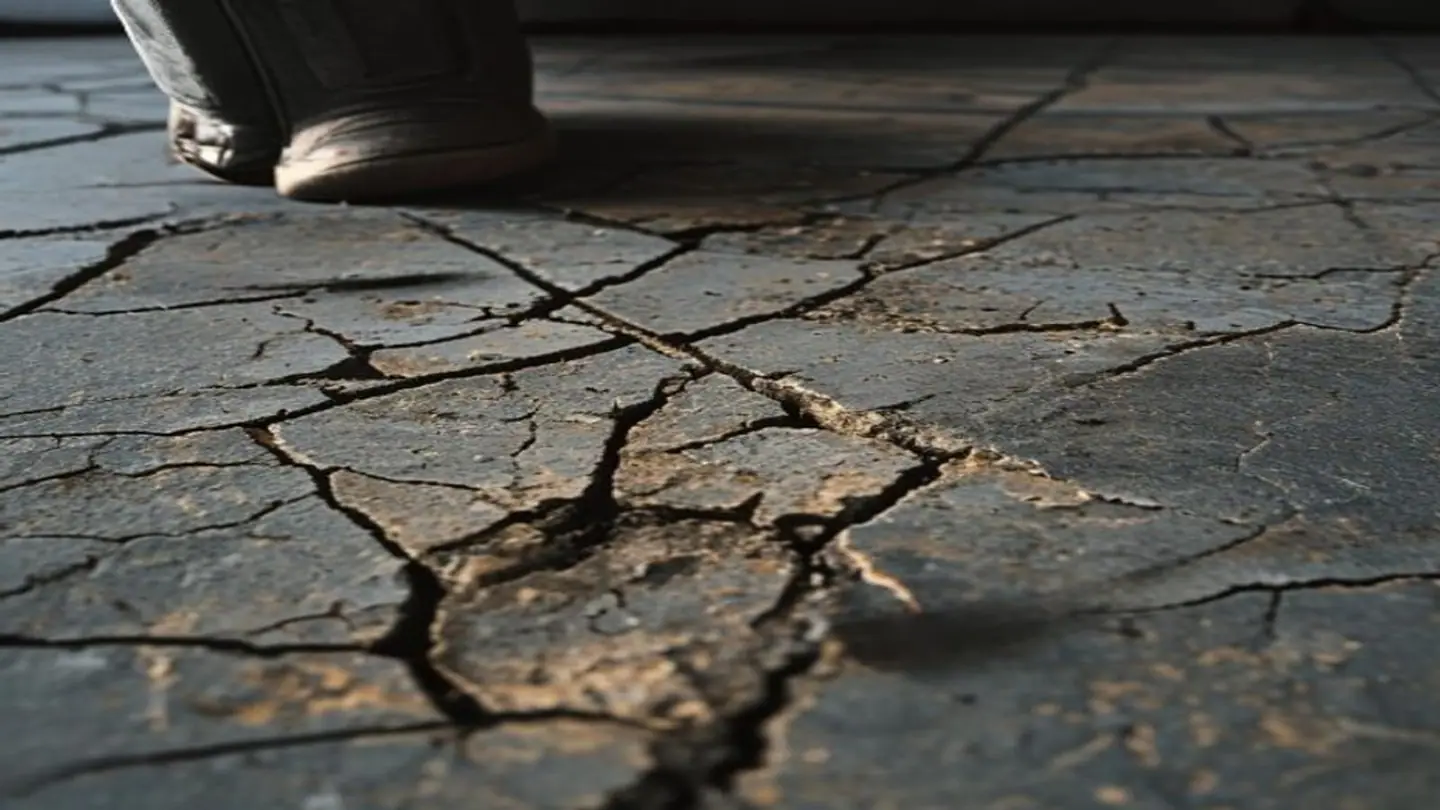
- Substrate movement and level, which determines whether tiles will crack
None of these are visible on a walkthrough. All of them change the price.
The economics of surveying
Surveying takes time, and time is cost. But the alternative is a quote based on assumption, followed by a series of variations once the assumptions prove wrong. The client who chose the cheaper walkthrough quote frequently ends up paying more — and paying it as a sequence of unwelcome surprises rather than as a known figure agreed upfront.
What a survey does not eliminate
It is worth being straightforward about the limit here. A survey reduces unforeseeables; it does not abolish them. Some things genuinely cannot be seen until a wall comes down.
The difference is one of category. After a proper survey, a variation means the building concealed something. After a walkthrough quote, a variation often just means nobody looked.
How we handle what a survey cannot see
Anything discovered once work starts is documented, priced, and issued as a written variation for your approval before we proceed. Not after the work is done, and not on the final invoice.
That is the whole point of surveying first: it makes the surprises rare, and it makes the remaining ones visible before they cost you anything.