Maintenance · 2 December 2025 · 2 min read
Planned maintenance versus emergency callouts: the real cost comparison
Reactive repairs cost more than the invoice shows. What moving to a forecastable schedule changes for a building budget.
The argument for reactive maintenance is intuitive: why pay for inspections when nothing is wrong? You only spend when something actually fails.
The reason it does not hold up is that failures are not equally expensive at every stage.
Faults get more expensive as they develop
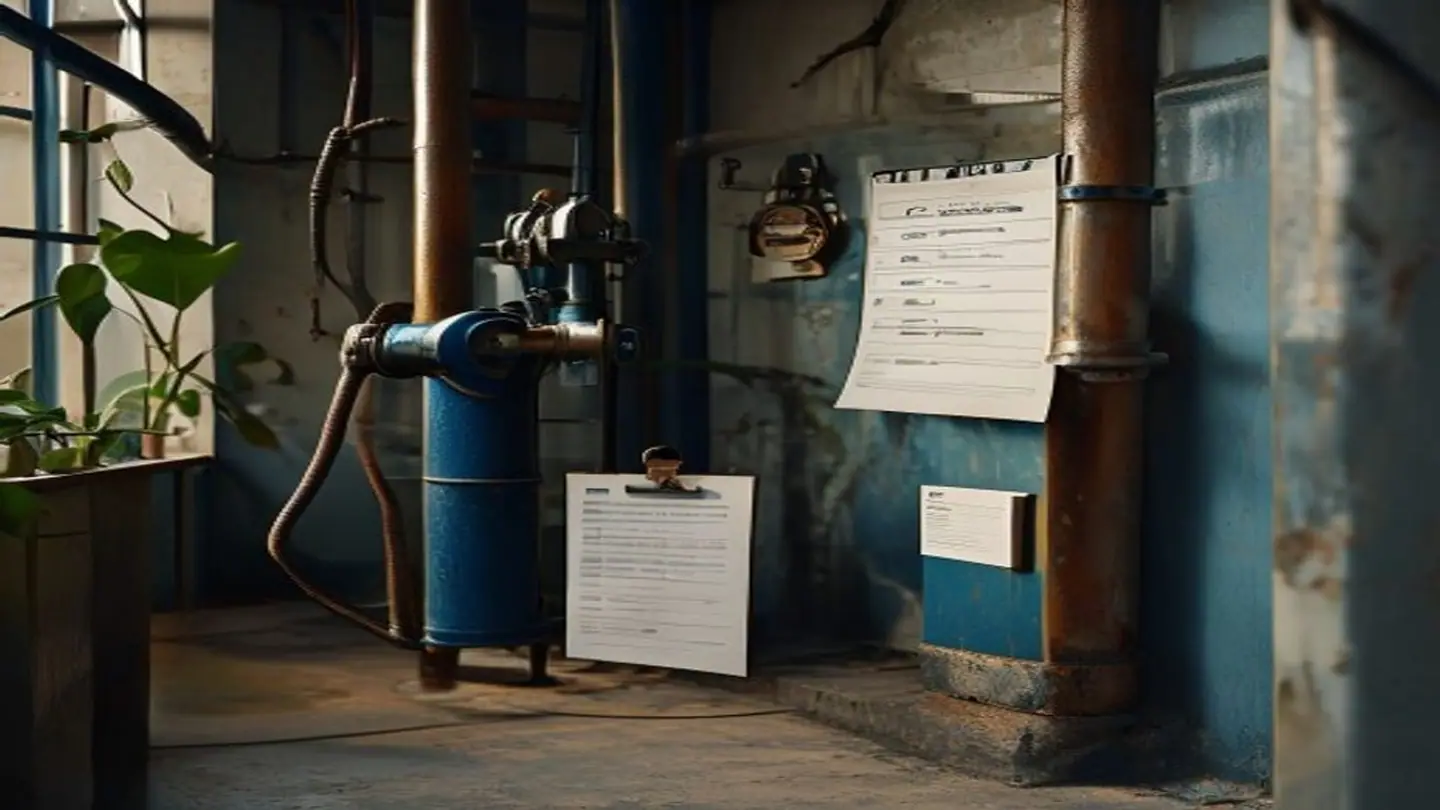
A worn pump seal that is caught on inspection is a seal replacement. The same seal left to fail is a seal replacement plus a flooded plant room, damaged finishes, and possibly a day of disrupted operation.
The component cost is identical. Everything around it is not.
This pattern repeats across building services: a failing contactor versus a burnt-out distribution board; a blocked gutter versus a saturated wall; a slipped tile versus a decayed purlin.
Emergency work carries a premium
Reactive work is priced differently to planned work, and reasonably so. It means responding at short notice, often outside normal hours, frequently without knowing what the fault is until arrival, and usually without the right part on the van.
Planned work is scheduled, diagnosed in advance, and carried out with the correct materials already on site.
The hidden cost: no records
The most expensive consequence of a purely reactive regime is not any single callout. It is that nobody knows what is installed.
Without an asset register, every diagnosis starts from zero. The engineer spends the first hour establishing what the system even is. Nobody knows how old the equipment is or when it was last serviced, so nobody can tell whether a fault is an anomaly or the third symptom of something failing.
What changes with a register
Once a building has a documented asset register with condition ratings:
- Diagnosis starts from evidence rather than investigation
- High-consequence assets can be prioritised for planned attention
- Replacement can be forecast rather than suffered
- Next year's maintenance becomes a budgetable figure
That last point is the one facility managers tend to value most. It turns maintenance from an unpredictable drain into a planned line item.
Being honest about the limits
Planned maintenance does not eliminate failures. Things still break unexpectedly, and any credible contract retains reactive capability alongside the schedule.
What it does is reduce how often failure is the first sign of a problem — and reduce how much each failure costs when it does happen.